This article may contain affiliate links, which means we may earn a small commission if you make a purchase — at no extra cost to you. We only recommend products we use and love, or tours we’ve personally experienced.
One of the biggest mistakes we see travelers make — especially on their first trip to a new country — is trying to do too much.
We get it — We’re guilty of this too.
When you’re trying to plan a travel itinerary, especially for a place like Turkey, everything looks amazing. Before you know it, your Google Maps is overflowing with pins, every day is packed from morning to night, and the itinerary looks impressive… but also exhausting.
Over the years of traveling and helping people plan trips to Turkey, we’ve learned that great itineraries follow a few simple principles.
The truth is, a great trip isn’t about seeing everything. It’s about enjoying what you do see.
What We’ve Learned From Planning Our Own Trips
On some of our earlier trips, we packed our itineraries so tightly that we would wear ourselves out and be completely exhausted when it was time to go home.
Over time, we learned to simplify our planning — focusing on what truly matters and leaving room to enjoy each moment. Every trip since has felt smoother, more relaxed, and far more memorable.
Here are the simple rules we use to plan great itineraries — whether you’re visiting Turkey or traveling anywhere in the world.
Start With the Big Picture

Before you dive into specific hotels, restaurants, or attractions, zoom out.
Ask yourself:
- How many total days do you have?
- Do you want a slower pace, or are you okay moving around more?
- Is this trip more about food, culture, nature, or relaxation — or a mix?
Once you’re clear on those things, the rest of the itinerary becomes much easier to shape.
Think in Destinations, Not Just Attractions
When people start planning a trip, it’s natural to begin by researching things they want to see and do.
That’s usually how destinations end up on the itinerary in the first place.


But one of the most common planning mistakes is building a long list of attractions before stepping back to think about where those places actually are and more importantly, how they fit together.
A helpful way to organize your thinking is to ask:
- What are your top priorities
- Which cities or regions make sense for this trip based on your priorities
- How much travel time is required between them
- Where it’s worth slowing down and staying longer
First get a clear sense of where your time will be spent — then it becomes much easier to build a daily plan that feels relaxed instead of rushed.
In most cases, fewer stops lead to a better experience — especially in a country as diverse as Turkey.
Decide What Each Place Is “For”
Every destination has a personality and a strength. Ask yourself:
- Is this place best for food?
- History and sightseeing?
- Nature and relaxation?
- Do I have a good mix of these?
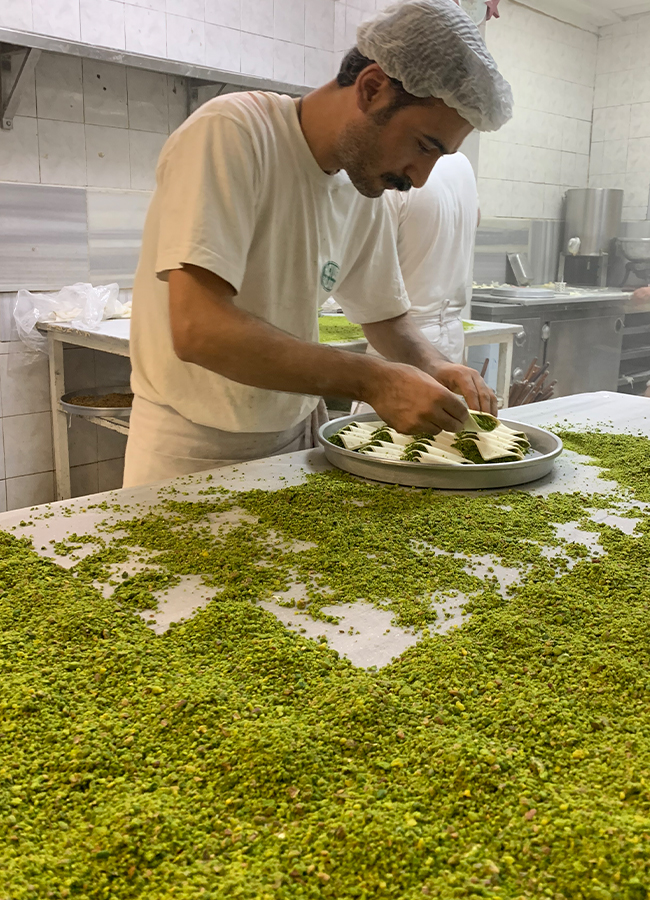
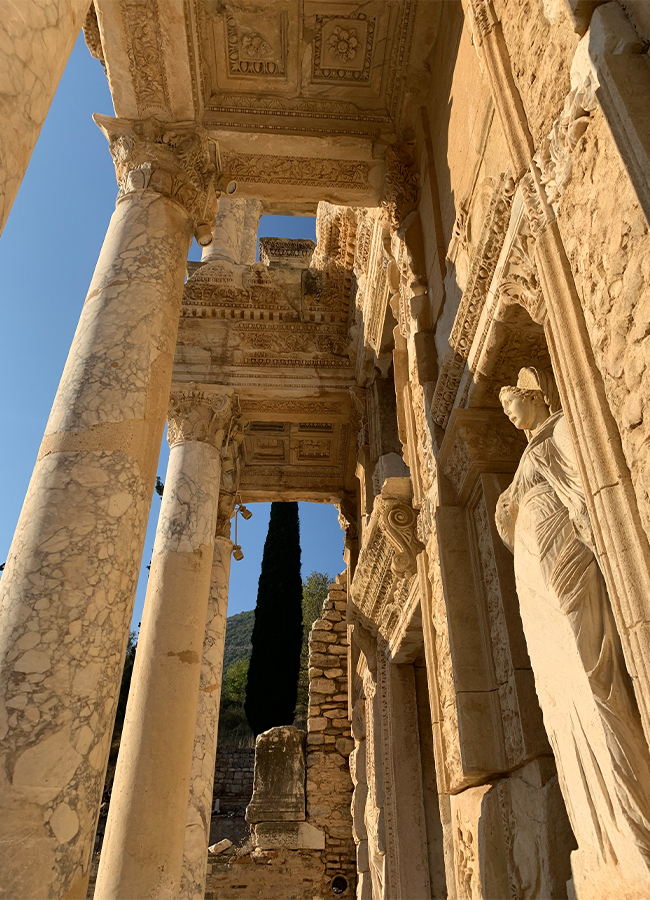
When your expectations match what a destination does best, the trip flows much more naturally — and you’re less likely to feel disappointed or rushed.
Use the Must / Nice / Optional Method
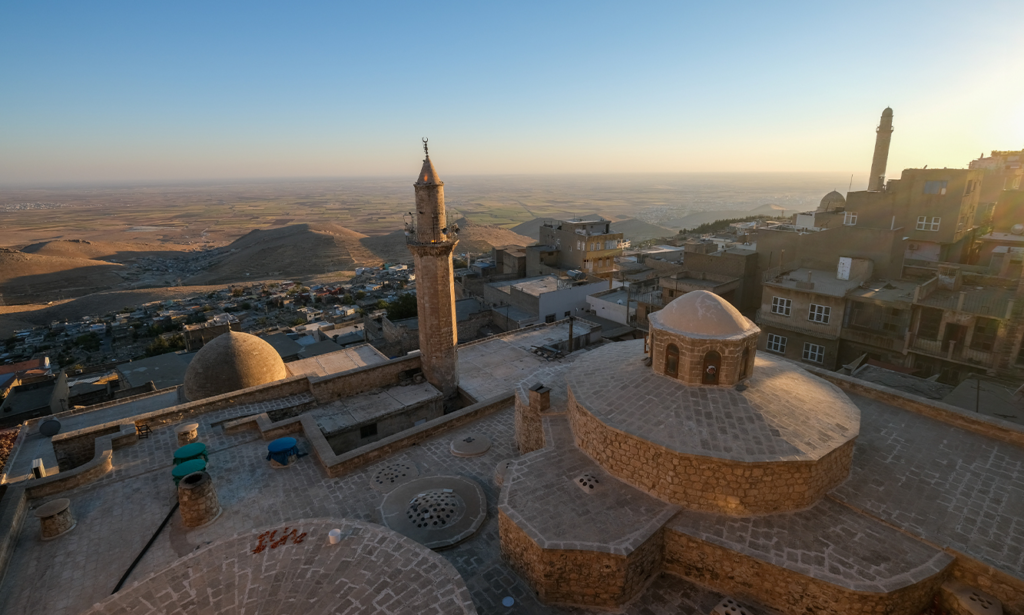
As you research things to do, sort them into three simple categories:
- Must-do: Non-negotiables (keep this list short)
- Nice-to-have: Flexible options if time and energy allow
- Optional: Only if everything lines up perfectly
This system removes pressure and decision fatigue once you’re on the ground.
Planning a trip to Istanbul? Start here
We’ve created a complete set of free downloadable travel guides to help you plan your trip with confidence.
Plan in Layers — Not Hour by Hour
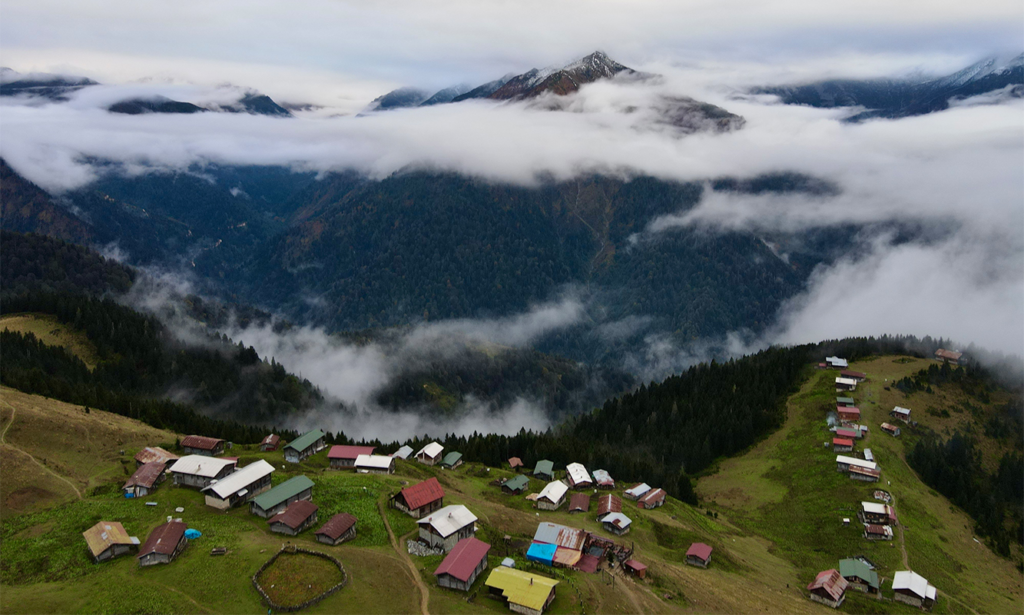
Instead of building a rigid schedule, think in layers:
- Anchors: Travel days, tours, and reservations that need to happen at specific times
- Daily focus: One main activity or neighborhood per day
- Flex time: Wandering, cafes, rest, and spontaneous discoveries
Some of the best moments happen in the gaps — not on the schedule.
That extra space also leaves room for the unexpected moments that often become the most memorable parts of a trip.
Sometimes that’s a conversation with a shop owner, getting invited for tea, meeting another traveler at a cafe, or stumbling across a neighborhood you didn’t know existed.
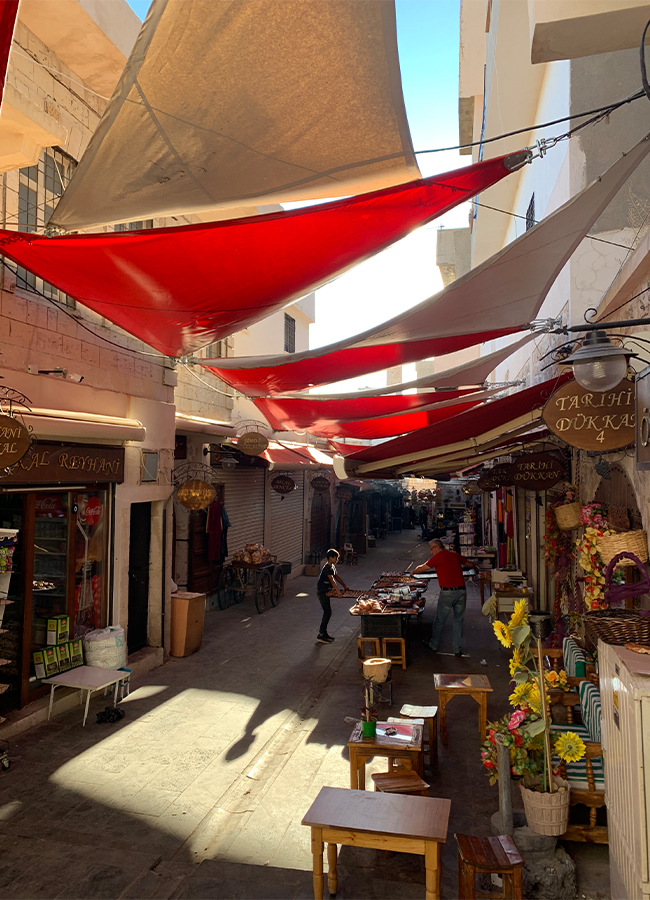
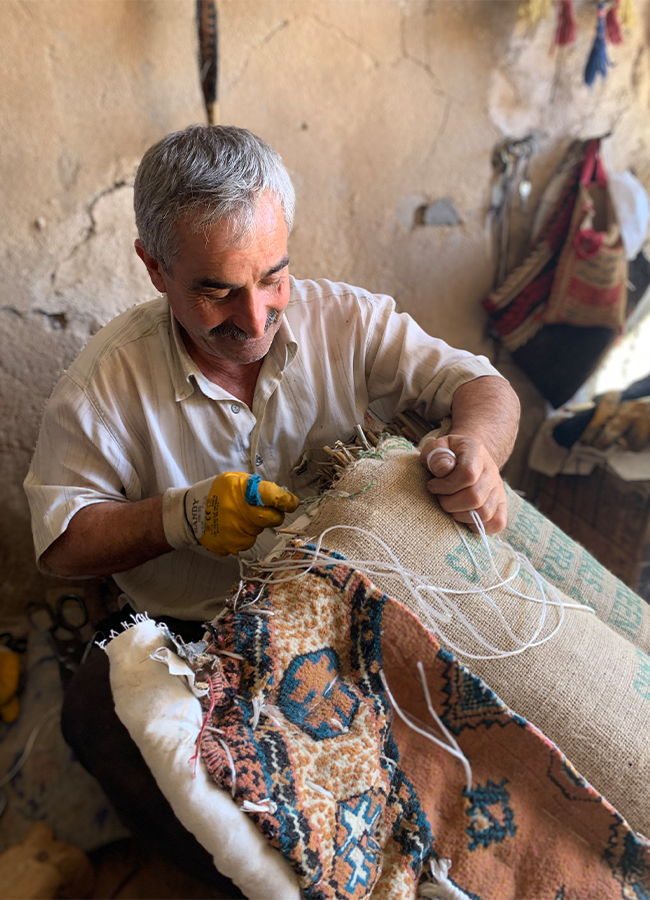
Those kinds of moments rarely happen when every hour of the day is scheduled.
The more space you leave in your itinerary, the more likely those experiences are to happen.
If you want to see what a well-balanced itinerary actually looks like in practice, we’ve put together a 3-Day Istanbul Itinerary that will walk you through exactly how to spend your time in the city.
Group Things by Geography
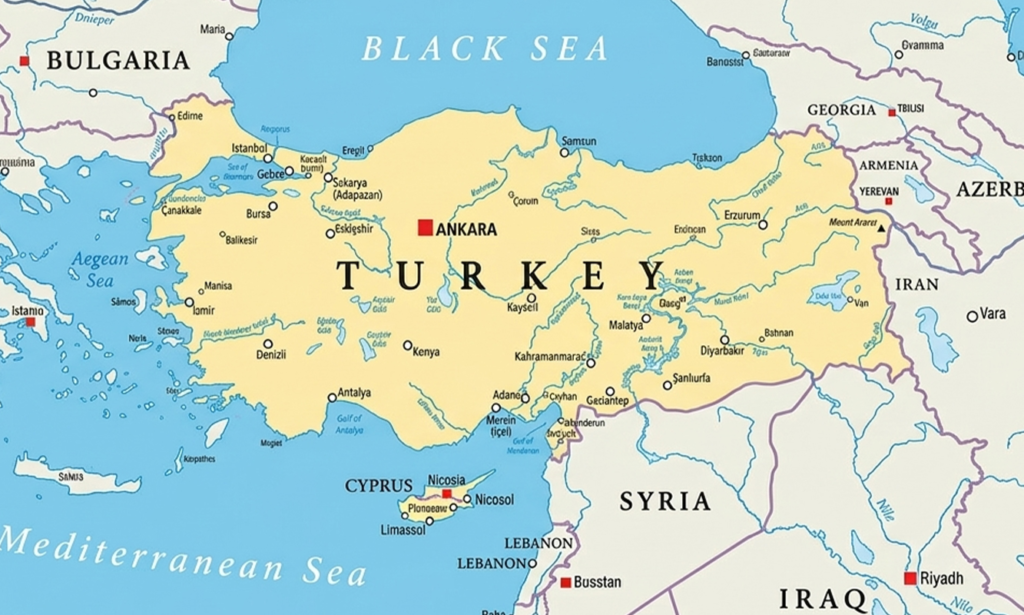
Try to explore one area at a time instead of zig-zagging across a city.
You’ll save energy, avoid unnecessary transit time, and actually enjoy the places you’re visiting instead of rushing through them.
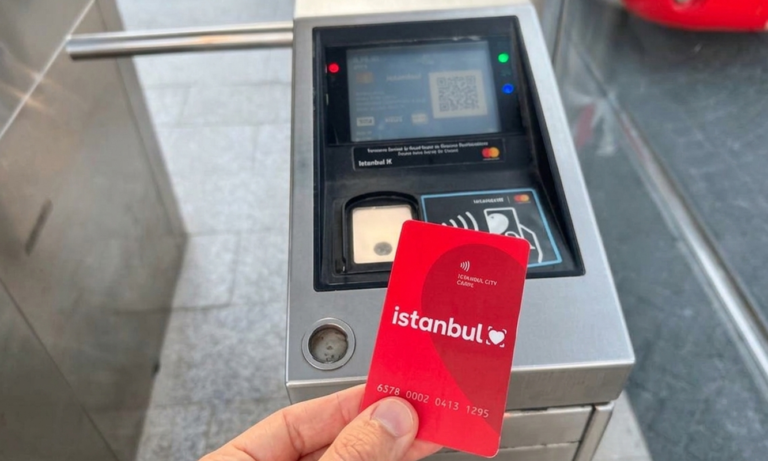
This becomes especially important in cities like Istanbul — and to help with that, here’s how to get around efficiently using public transportation.
Plan Experiences, Not Just Sights
The best memories usually aren’t made standing in line for a building. They come from food, conversations, shared experiences, and moments that let you engage with the culture.


Seeing famous landmarks is great — but doing something memorable is what usually sticks.
If you’re looking for memorable things to do beyond the major landmarks, we’ve put together an article of the best experiences in Istanbul, including food tours, cooking classes, and unique cultural activities.
Leave Room to Be Human
Jet lag, weather, crowds, and energy levels all matter.
A good itinerary:
- Has lighter days after travel days
- Allows plans to change
- Leaves space to rest without guilt
If your itinerary only works when everything goes perfectly, it’s too tight.
Lock the Big Things — Leave the Rest Loose
Before you leave, it’s enough to have:
- Accommodations booked
- Major transportation planned and booked
- Key experiences reserved
- A few restaurant reservations if there are places you really don’t want to miss
The rest can unfold naturally — and often turns out better that way.
Final Thoughts
At the end of the day, the goal isn’t to see everything — it’s to actually enjoy where you are.
A well-planned travel itinerary gives you structure without taking away the freedom that makes travel memorable.
If you focus on fewer places, meaningful experiences, and leaving space to breathe, you’ll almost always have a better trip.
FAQs About Planning a Travel Itinerary
How many days should I plan for each destination?
It depends on the destination, but most travelers benefit from staying at least 2–3 days per location to avoid feeling too rushed.
What should I book in advance?
Accommodations, major transportation, and high-demand experiences and restaurants should be prioritized.
Should I plan every hour of every day in advance?
It depends on your travel style, but the short answer is no — plan the big things (accommodations, top priorities, major experiences) but leave space for spontaneity, wandering, and rest.
How do I know if my itinerary is too packed?
If you feel stressed just looking at it or don’t leave room for rest, it’s probably too full. A good itinerary balances anchor activities with flexible time each day.
Planning a trip to Istanbul? Start here
We’ve created a complete set of free downloadable travel guides to help you plan your trip with confidence.
Inside, you’ll get:
- Detailed Istanbul guide (neighborhoods, food, logistics)
- Cappadocia & Turquoise Coast travel guides
- Ready-to-use Istanbul & Turkey itineraries (3 days to 3 weeks)
- Transportation tips
- Our personal recommendations & travel advice