This article may contain affiliate links, which means we may earn a small commission if you make a purchase — at no extra cost to you. We only recommend products we use and love, or tours we’ve personally experienced.
One of the questions we get asked all the time is: Is Istanbul safe?
The short answer is yes — most people you’ll encounter are kind, honest, and welcoming, and the vast majority of visitors have a smooth, trouble-free experience.
That said, Istanbul is a massive city — home to more than 20 million people — and like any major city in the world, it’s important to be aware of common scams and basic safety considerations.
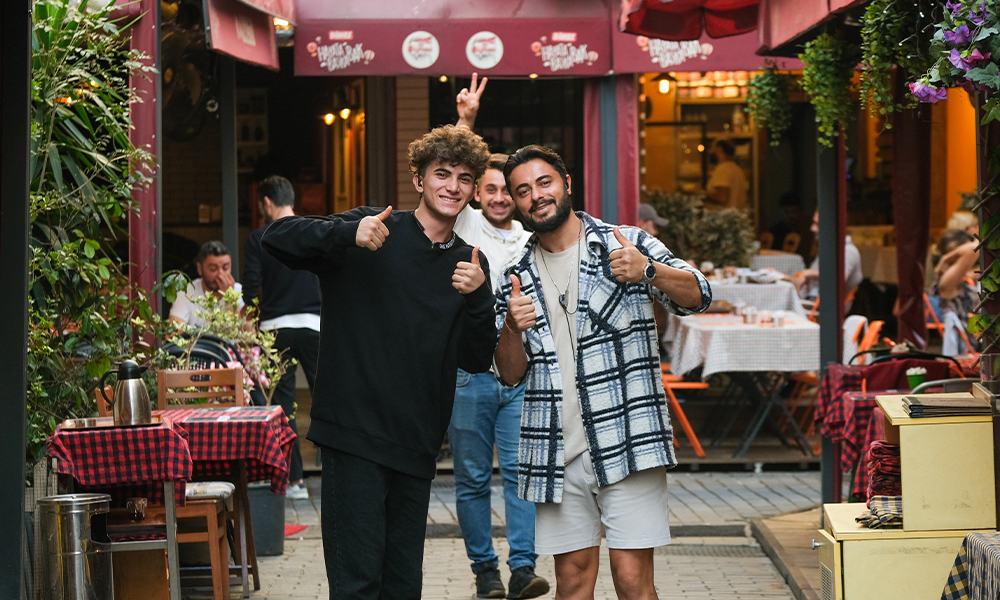
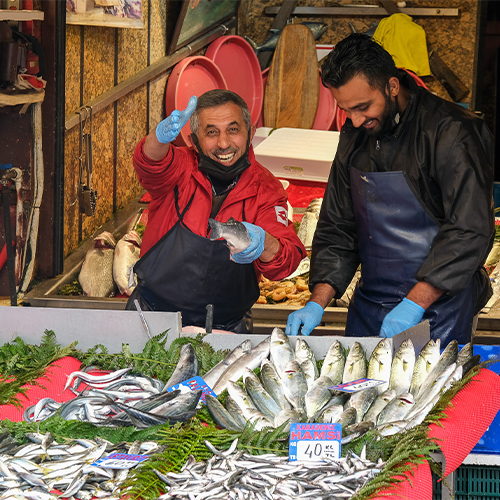
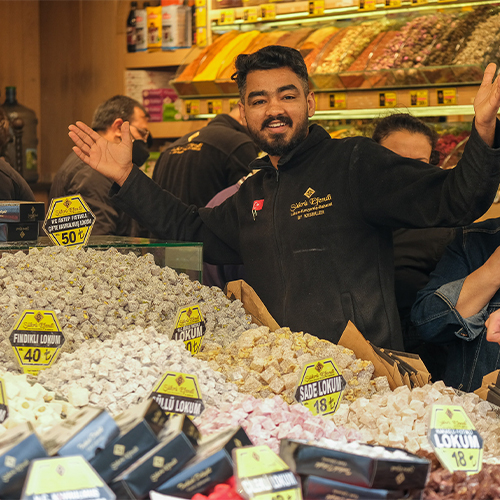
Staying mindful of your surroundings, keeping an eye on your belongings, and taking extra care at night — especially if you’re traveling alone — are simple habits that go a long way.
Here are a few we always stick to when we travel:
- Avoid wearing or bringing unnecessary valuables
- Keep wallets in front pockets and bags zipped
- Stay alert in crowded areas
- Check your country’s official travel advisories before your trip
A quick note on travel advisories:
Travel conditions can change, and guidance can vary by country. Before your trip, it’s always a good idea to check your home country’s official travel advisory website for the most up-to-date information.
Beyond that, the most useful safety advice we can offer is understanding a few common scams — so you can spot them early and reduce the chances of running into issues.
One Simple Rule We Always Follow When Traveling
Here’s a simple rule we’ve learned from our travels: Always ask how much something costs before agreeing to anything. Always.
If someone offers you something — a service, a drink, a tour, or help — assume there’s a price and clarify it upfront. This single habit can help you avoid most unpleasant surprises.
TOP TIP: Also, be cautious of overly friendly strangers who speak English and approach you out of the blue in very touristy areas. When in doubt, it’s best to politely ignore them and keep walking.
Common Scams in Istanbul to Be Aware Of
Taxi Scams
From our experience, taxi scams are among the most common issues travelers encounter — and that goes for any country we have ever visited.
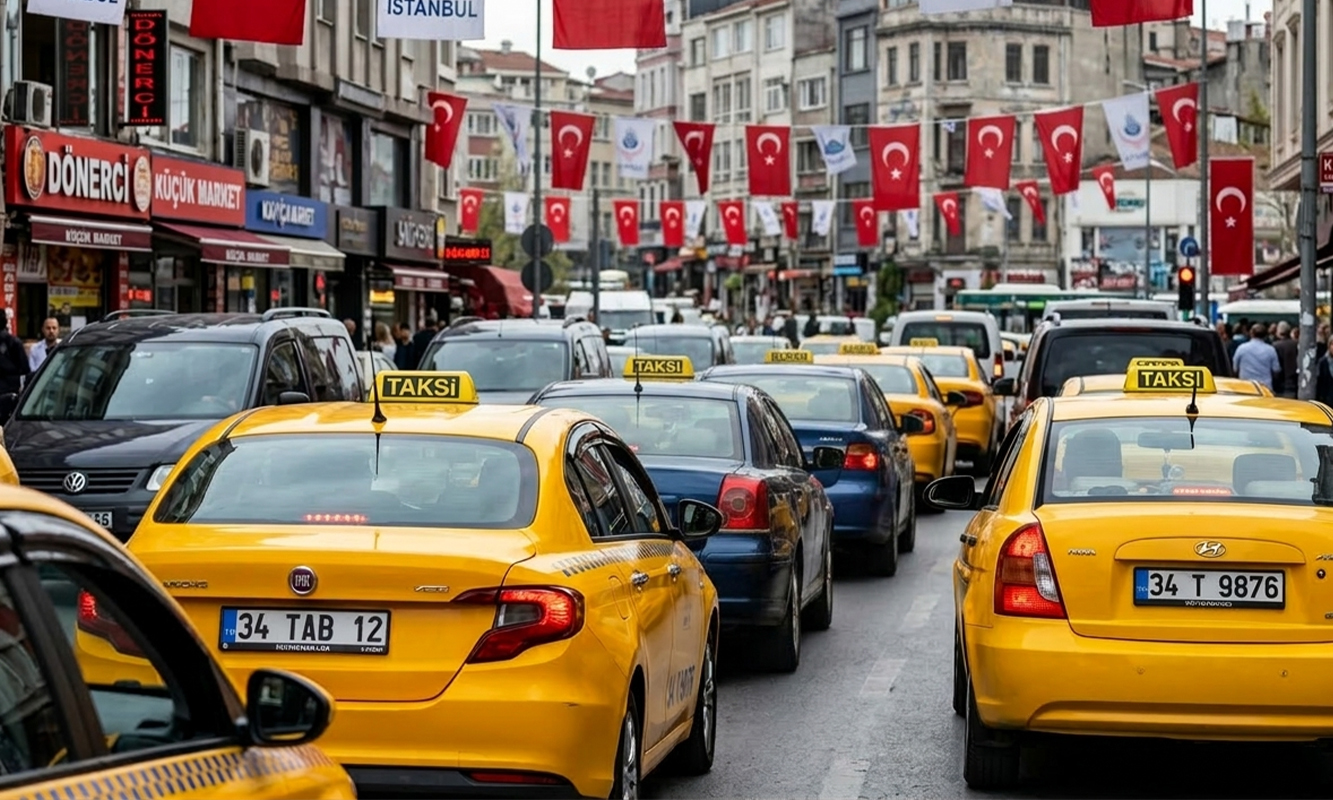
Some of the most common situations include:
- A driver claiming the meter is broken and offering a flat price that ends up being far higher than the normal fare
- Taking a longer route than necessary, especially if they think a visitor isn’t familiar with the city
- Returning incorrect change or insisting you handed over a smaller bill than you actually did
These situations don’t happen all the time, but they’re common enough that it’s worth being aware of them.
Tips to avoid problems:
- Only use official taxis
- Confirm the meter is on and running
- Follow your route on Google Maps
- Carry small bills and pay close to the fare
- Count your change before exiting
TOP TIP: Whenever possible, we always recommend you use rideshare apps like Uber, which operate in Istanbul and can make pricing more transparent.
Taxis scams are one of the reasons we usually avoid taxis altogether and rely on other transportation options — something we explain more in our article on why we avoid taxis in Istanbul.
Planning a trip to Istanbul? Start here
We’ve created a complete set of free downloadable travel guides to help you plan your trip with confidence.
Currency Confusion / Short-Changing
This occasionally happens in very touristy areas where businesses deal with many visitors unfamiliar with the local currency.
In these situations, a cashier may return incorrect change and rely on the fact that you might not immediately recognize the mistake.
Sometimes the situation happens quickly — bills are handled fast, change is counted out quickly, or a cashier may claim you handed them a smaller bill than you actually did.
How to avoid it:
Take a moment to look at your change before walking away, especially when paying cash. Don’t feel rushed — most honest businesses won’t mind if you pause for a second to confirm the amount.
Restaurant Scams in Tourist Areas
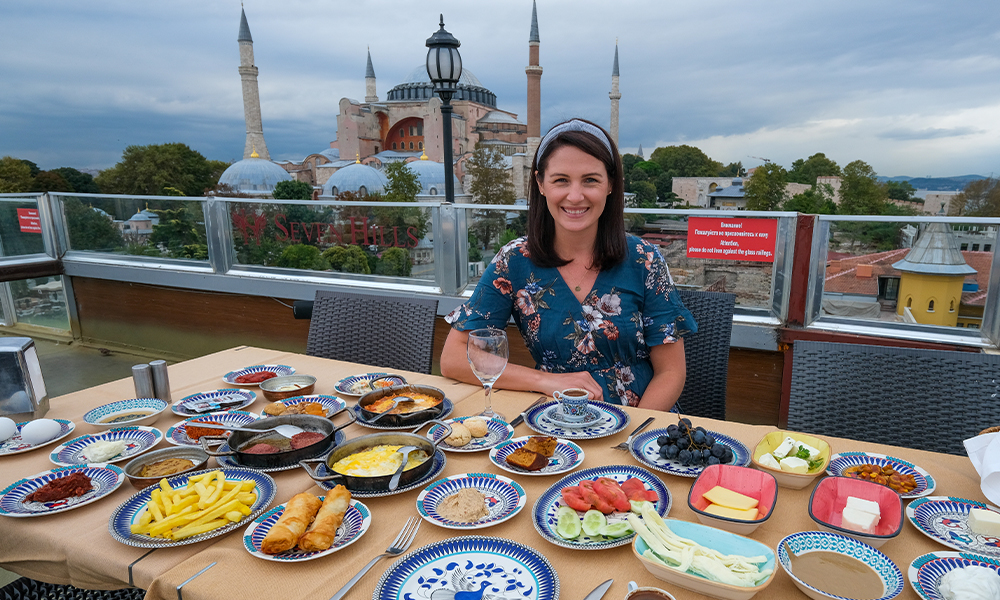
Not everything that surprises travelers at restaurants is a scam.
For example:
- Bread and water are often brought automatically and added to the bill
- Some restaurants include a service charge (this should be noted on the menu)
What can be an issue:
- Items added to the bill that you didn’t order
- Food or drinks brought to the table without explanation — often seeming complimentary, but later showing up on the bill
- Menu switching, where a restaurant presents one menu when you order but later charges prices from a different, more expensive menu
If you question the bill, the higher-priced menu may suddenly appear. This isn’t common, but it does happen in very tourist-heavy areas.
TOP TIP: If something arrives that you didn’t order, simply ask if it’s complimentary. And before paying, take a moment to review the bill carefully.
“Let’s Have a Drink” Scam
This scam most often targets solo male travelers.
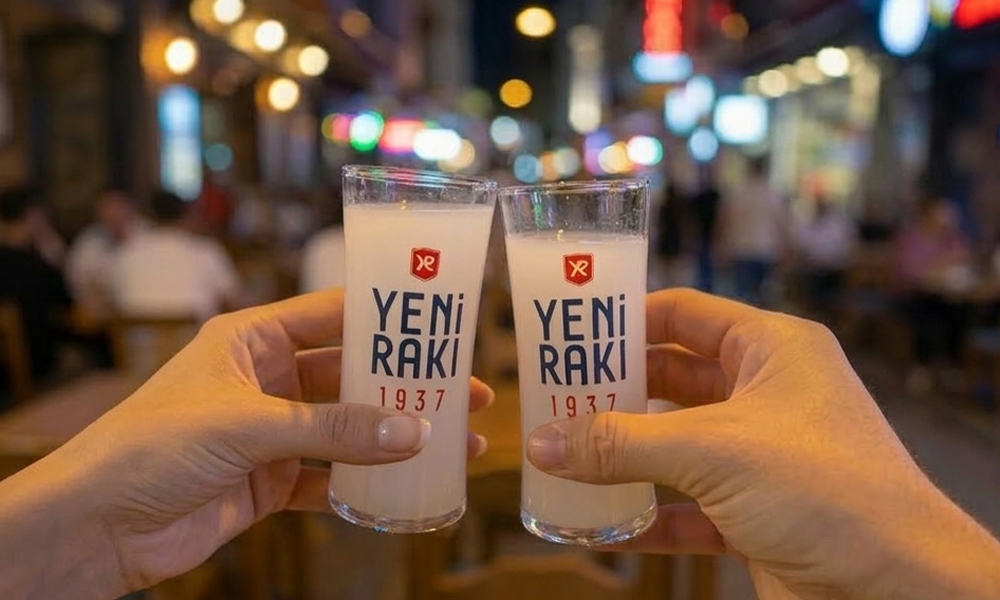
Someone befriends you and invites you to a bar — or suggests moving to a “better” one. Drinks keep coming, and by the end of the night, your new friends disappear, leaving you with an outrageously high bill.
If a stranger insists on taking you to a specific bar, it’s best to decline.
Unofficial Tour Guides
Licensed guides can be fantastic — but arrange them in advance.
Be cautious of people who approach you near major attractions offering to show you a special place, give you a tour, or “practice their English.” These interactions can lead to persistent requests for payment.
Shoe Shiner Scam
Many shoe shiners in Istanbul are honest and hardworking, but there’s a well-known trick to watch for in very touristy areas.
A shoe shiner may walk past you and “accidentally” drop their brush right in front of you. When you pick it up to return it — which most people naturally do — they thank you and offer to shine your shoes.
Once the shine is finished, they may ask for a surprisingly high payment for the service.
The easiest way to avoid this situation is simply to keep walking if someone drops something in front of you or offers a shoe shine you didn’t request.
Friendly Carpet Salesmen

Around Sultanahmet, it’s common to be approached by people trying to tell you:
- A mosque or site is closed
- The line is “too long”
- Today is a holiday
All designed to start a conversation — often with the goal of getting you to visit a shop. It might be their shop, their brother’s shop, or their cousin’s shop.
If you happen to find yourself in this situation and are convinced to visit one of these shops — one thing many travelers don’t expect is how persistent some sellers can be. These situations can become uncomfortable, especially if you feel pressured to sit down for tea or continue a sales conversation you weren’t interested in to begin with.
The easiest solution is to politely decline and continue on your way.
Pickpocketing
Not a scam, but worth mentioning.
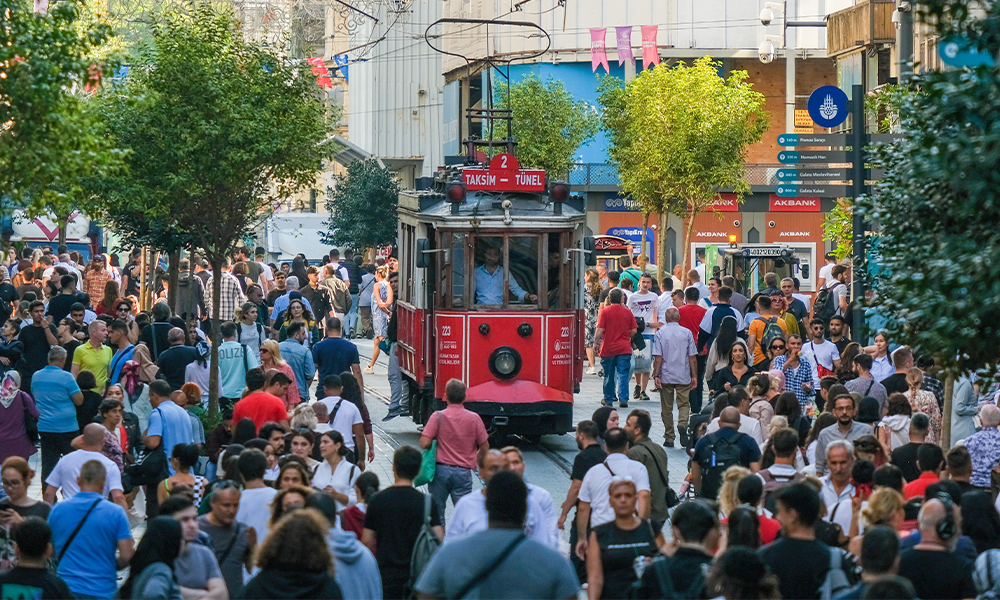
Pickpocketing isn’t extremely common in Istanbul, but it can happen in very crowded environments.
Situations where it’s most likely:
- Packed trams or metro cars
- Busy ferry terminals
- Crowded markets or tourist areas
Like most large cities, pickpocketing usually relies on distraction — bumping into you, asking for directions, or creating a moment of confusion.
One simple habit dramatically reduces your risk — and we break it down step-by-step in our article on how to avoid pickpocketing while traveling.
Final Thoughts
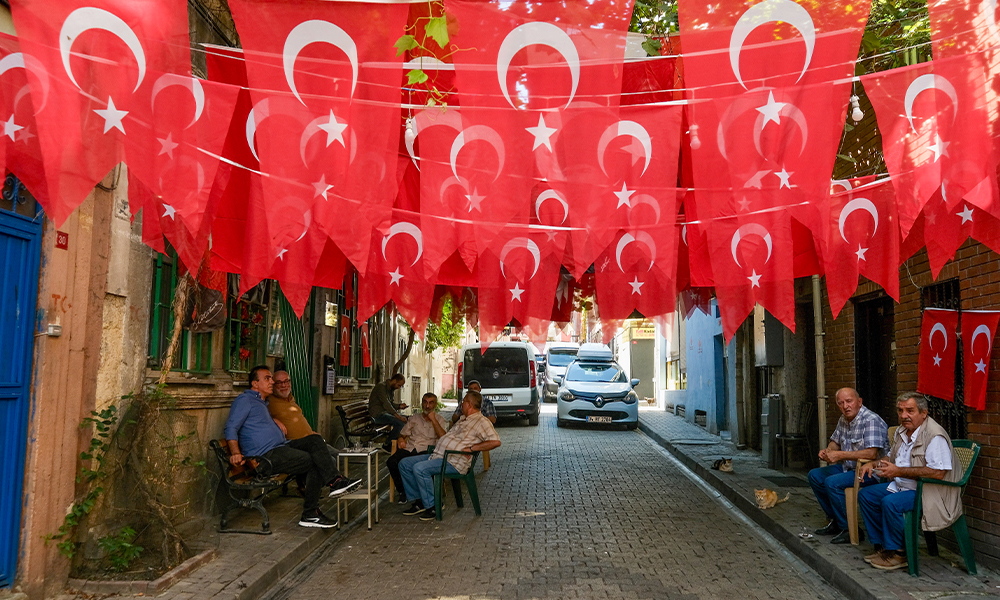
Istanbul is an incredible city, and the vast majority of visits are completely trouble-free.
The situations above aren’t things most travelers experience — but knowing about them ahead of time makes them easier to avoid.
In our experience, a simple “no thank you,” a bit of awareness, and the same common-sense habits you’d use in any major city go a long way.
And when you have that confidence, you’re free to focus on what actually matters — enjoying everything Istanbul has to offer.
Planning a trip to Istanbul? Start here
We’ve created a complete set of free downloadable travel guides to help you plan your trip with confidence.
Inside, you’ll get:
- Detailed Istanbul guide (neighborhoods, food, logistics)
- Cappadocia & Turquoise Coast travel guides
- Ready-to-use Istanbul & Turkey itineraries (3 days to 3 weeks)
- Transportation tips
- Our personal recommendations & travel advice